Trichology & Scalp Certification Cost in 2026 — Every Program, Honestly Compared.
Trichology & Scalp Certification
Cost in 2026 — Every Program,
Honestly Compared.
Trichology certification. Scalp analysis training. Hair loss specialist programs. The market is full of options — and very little honest comparison. Here is what the main programs cost, what each one includes, and what you actually leave with.
There are several serious professional scalp and hair loss certification programs available to U.S. practitioners. They vary enormously in what you actually receive — and the useful distinction is not price but structure: most are education-only, delivering a curriculum and a certificate, after which you source your own products, buy your own equipment, and build your own client pipeline. A smaller number are practice-launch programs that include product inventory, diagnostic equipment, territory and referral infrastructure. Comparing an education-only price against a practice-launch price without accounting for that difference is the most common mistake professionals make when evaluating this market.
Why the Scalp Certification Market Is Growing
The scalp care market is having a moment that is bigger than a trend. Scalp treatment services in U.S. salons grew 9% in 2025 — one of the few growing service categories in professional hair care, according to Kline PRO's salon services tracking.
This growth is being driven by what the industry calls the "skinification of hair care" — consumers treating the scalp with the same attention they apply to facial skin. Scalp microbiome. Barrier function. Inflammation. Trichoscopic evaluation. These are the conversations happening in high-performing treatment centers, and they command premium service pricing to match.
For licensed professionals with an existing client base, adding a clinical scalp service is not a pivot — it is a natural extension. The question is which program gives you the clinical grounding, product system, and business infrastructure to make that extension work.
What Scalp Services Command in the Market
Before evaluating which program to invest in, it helps to know what the services themselves are priced at. What follows is market pricing, not an earnings projection — what you personally earn depends on your location, your existing client base, how many clients convert, your costs, and how consistently you deliver the service.
Trichoscopic scalp analysis consultations are commonly priced in the $75–$150 range where the practitioner has diagnostic imaging equipment — a premium consultation tier that is simply not available to practitioners without a camera. Head spa memberships in the U.S. commonly run in the low hundreds per month, converting one-time service clients into recurring revenue. What any individual practice generates from these services varies widely and cannot be predicted from a price list. Treat any program that quotes you a monthly income figure with appropriate scepticism — including this one, if it ever does.
Every Program — What It Costs and What You Get
USTI — Hair Loss Practitioner Certification (Level 1)
$2,800 (as listed, Jul 2026)The US Trichology Institute offers one of the most established hair loss certification programs in the country. Their Level 1 course is a 10-week intensive delivered via Zoom, culminating in a 3-day hands-on clinical (travel not included). A starter kit of products is included.
Scalp Care University / The Head Spa Studio
$500–$1,500 (as listed, Jul 2026)2-day workshop format (in-person or virtual) focused on scalp care and head spa technique. Pricing varies by session and location. You leave with a certification, professional tools, and a starter kit.
juliArt — Salon Partner Program
Low / no entry costjuliArt is a plant-based scalp care brand distributed in the U.S. through beauty distributors. Their salon partner entry point is essentially a discount on a first order, with educator time available separately.
AAHSD — Functional Trichology Certification
Pricing not publishedThe American Academy of Hair & Scalp Diseases runs an invitation-only program with a small cohort size, an admissions assessment and interview, over an 18-month period.
Dr. Kari Williams Trichology Certification
Pricing not published — 12 weeks onlineA 12-week online trichology certification aimed at licensed stylists, covering anatomy, physiology, hair loss types, scalp disorders and nutrition, with a private community of enrolled stylists and lifetime access to materials.
World Trichology Society (WTS)
From $750/segment (as listed, Jul 2026)An international trichology education body, ranging from entry-level scalp modules to full certification programs. Targets both beauty professionals and medical professionals.
Oxygeni Hair — Oxygen Trichology Program
Pricing not publishedA European brand offering regional partner exclusivity, an extensive online trichology curriculum, and a proprietary oxygen infusion device, with optional in-person training in Europe.
Kapyderm USA — Treatment Center Launch Program
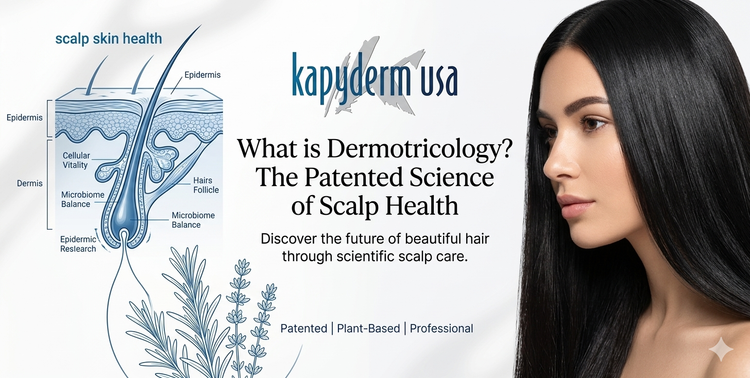
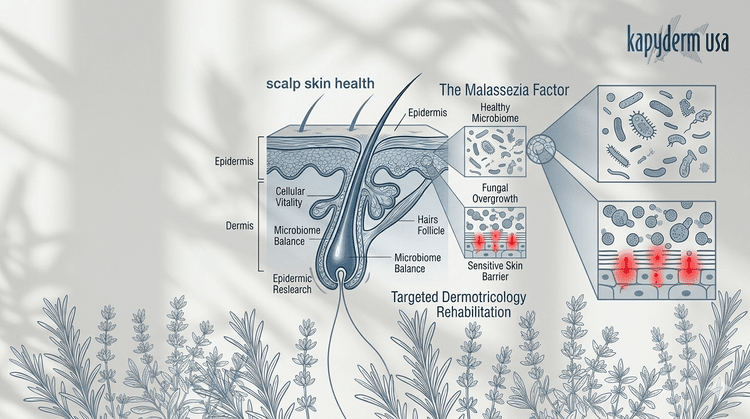
[PRICE]A practice-launch program rather than a certification course alone, built on the Dermotricology system developed by Laboratorios Kapyderm (Spain) over 35+ years and used in treatment centers across Europe. The intention is that you finish the program able to operate a Dermotricology treatment offering, rather than needing to assemble one afterwards.
Full Side-by-Side Comparison
| Feature | USTI | juliArt | Scalp Care Univ. | Oxygeni | Kapyderm |
|---|---|---|---|---|---|
| Entry investment (Jul 2026) | $2,800 | Low / none | $500–$1,500 | Not published | [PRICE] |
| Clinical product inventory | Starter kit | Order discount | Not listed | Not published | [INVENTORY] |
| Trichoscopy / diagnostic camera | Not listed | Not listed | Not listed | Not listed | [EQUIPMENT] |
| Treatment device | Not listed | Not listed | Not listed | ✓ oxygen device | [DEVICE] |
| Protected territory | Not listed | Not listed | Not listed | ✓ regional exclusivity | [TERRITORY] |
| National directory listing | Not listed | Not listed | Not listed | Not listed | ✓ kapydermusa.com |
| Live training | ✓ 10-week Zoom | Not listed | ✓ 2 days | Optional, in Europe | [TRAINING] |
| Ongoing purchase minimum | N/A | N/A | N/A | Not published | [TERMS] |
The Value Question — Education-Only vs Practice Launch
The useful comparison in this market is not between two prices. It is between two structures.
An education-only program gives you curriculum, assessment and a credential. What you do next — which products to carry, where to buy equipment, how clients find you — is entirely yours to solve. For an established practitioner who already has product relationships and a full book, that can be exactly the right choice, and the lower price reflects a narrower scope rather than a lesser program.
A practice-launch program bundles the credential with the things you would otherwise buy separately: starting inventory, equipment, and some form of referral or territory infrastructure. The higher entry price is only worth it if those components are ones you would genuinely have bought anyway — and at a comparable price. That is the honest arithmetic, and it is worth doing on paper before committing to either model.
A trichoscopy camera is the single item that most changes what you can charge, because it opens a consultation tier — commonly priced in the $75–$150 range — that practitioners without imaging simply cannot offer. Whether you buy one outright or receive one within a program, cost it out as a line item rather than treating it as a bonus. It is usually the difference between a scalp service and a scalp consultation.
What to Ask Before You Commit to Any Program
Whether you are evaluating Kapyderm or any other program in this market, these are the questions that separate a good investment from an expensive credential that doesn't grow your practice:
- What is the total value included, not just the course content? Education matters — but what tangible equipment, products, and infrastructure do you leave with, and what would those cost separately?
- Is your territory protected, and how is that enforced? "Protected territory" means little without a written definition of the area and what happens if someone else is certified nearby. Ask for it in writing.
- Does the brand actually drive client referrals to you? A directory listing is only worth something if the site ranks and the listing is findable. Ask how much traffic it gets.
- What is the minimum ongoing purchase requirement? Know the total cost of participation over 12 and 24 months, not just the entry point.
- Is the brand available through other channels? If clients can buy the same products elsewhere, the brand does not differentiate your practice.
- What happens after you graduate? Clinical scalp care is not set-and-forget. Ask what ongoing education and support actually looks like, and who provides it.
- Are you being quoted an income figure? If a program tells you what you will earn, ask what that figure is based on — how many practitioners, over what period, and what happened to the ones who earned less. A program that cannot answer that should not be quoting the number.
For the current Kapyderm partner program — tiers, territory, and what is included at each level — get in touch →
Ready to Launch a
Certified Dermotricology Practice?
Get in touch to talk through what certification involves, what a territory looks like in your market, and whether it fits the practice you already run.