Acne: Causes, Types & Why Antibiotics Are Failing — The 2026 Clinical Guide
Acne: Causes, Types &
the Antibiotic Resistance Problem —
The 2026 Clinical Guide
Acne is one of the most prevalent skin diseases in the world — and one of the most misunderstood. Most treatments address one driver. There are four. Here's what's actually happening in your skin, what the resistance data really shows, and what a comprehensive plant-based approach looks like in 2026.
Acne is a chronic inflammatory condition driven by four simultaneous factors: excess sebum, follicular hyperkeratinization, Cutibacterium acnes dysbiosis, and systemic inflammation. Antibiotic resistance in C. acnes has risen measurably over the last decade — from 25.5% to 35.4% overall, and considerably higher for macrolides — though tetracyclines remain largely effective. The Kapyderm Dermotricology approach addresses all four drivers with plant-based topicals and internal support, alongside rather than instead of medical care.
- What acne actually is — the 4-driver model
- Who gets acne in 2026
- Types of acne — how to identify yours
- Hormonal acne — the adult female pattern
- Acne scars & post-inflammatory hyperpigmentation
- What the antibiotic resistance data shows
- The gut-skin axis — 2026 research
- Diet and acne — what the evidence says
- Treatment landscape — honest assessment
- The Dermotricology protocol for cystic acne
- Frequently asked questions
What Acne Actually Is — The 4-Driver Model
Most people understand acne as "clogged pores" or "too much oil." That's accurate as far as it goes — but it doesn't explain why some people with oily skin never break out, why stress causes acne even when diet hasn't changed, or why antibiotics often stop working after several months. The complete clinical picture involves four drivers operating simultaneously.
Excess Sebum Production
Overactive sebaceous glands produce more oil than the follicle can clear. Sebum itself isn't the problem — it's what happens when it accumulates: it becomes the growth medium for C. acnes and creates the anaerobic environment that drives inflammation. Androgens, insulin, IGF-1, and stress hormones all stimulate sebum production.
Follicular Hyperkeratinization
Dead skin cells accumulate in the follicle lining — forming the microcomedo, the precursor to every visible acne lesion. This congestion traps sebum, blocks oxygen, and creates the anaerobic environment C. acnes thrives in. This is the step that happens before anything visible appears.
C. acnes Microbial Dysbiosis
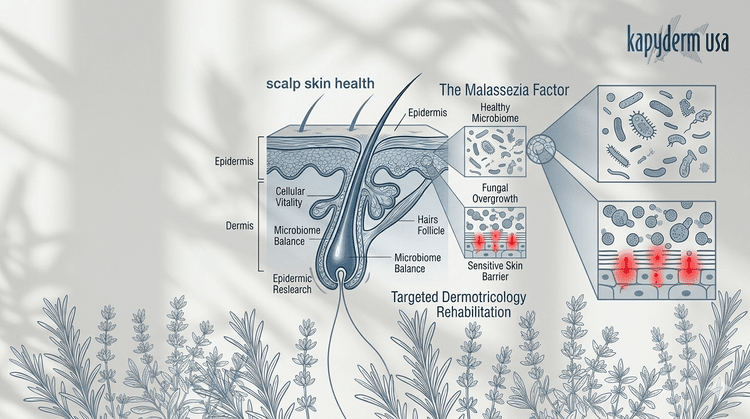
Cutibacterium acnes is naturally present on skin — it's not inherently pathogenic. Acne occurs when C. acnes overgrows in the sebum-rich, oxygen-deprived environment created by Drivers 01 and 02. The bacteria break down sebum into inflammatory fatty acids that trigger the immune response, producing redness, swelling, and pustules.
Systemic Inflammation
Gut dysbiosis, dietary triggers, and chronic stress all elevate systemic inflammatory markers associated with sebum production, follicular congestion, and the persistence of the acne cycle between breakouts. No topical product reaches this driver.
Benzoyl peroxide targets Driver 03. Retinoids target Driver 02. Antibiotics target Driver 03. Salicylic acid targets Driver 02. No topical, over-the-counter or prescription, targets Driver 04 — systemic inflammation — because no topical can reach a systemic driver. This is why many people see initial improvement then plateau, and the rationale for including internal botanical support alongside topical care.
Who Gets Acne in 2026 — It's Not Just Teenagers
The rising prevalence of adult acne is one of the most significant dermatological trends of the 2020s — associated with stress, changing dietary patterns, disrupted gut microbiomes, and greater awareness of hormonal factors.
Types of Acne — How to Identify Yours
The type of acne you have determines which drivers are dominant — and which approaches will and won't help. Misidentifying your acne type is one of the most common reasons people cycle through products without results. If you are unsure which type you have, a dermatologist can tell you definitively.
Hormonal Acne — The Adult Female Pattern
The classic pattern: breakouts concentrated on the lower face, jaw, and chin that worsen in the week before menstruation. Many women with hormonal acne have completely normal hormone levels on blood tests — because the driver isn't circulating hormones, it's how their skin cells process those hormones locally.
Cortisol stimulates sebaceous glands, affects follicular keratinization, and modulates the immune regulation that normally keeps C. acnes in balance. Stress touches all four acne mechanisms at once. This is the rationale for the internal botanical component of the Kapyderm approach: supporting the internal environment that topical treatment cannot reach.
Acne Scars & Post-Inflammatory Hyperpigmentation
A substantial minority of people who get acne develop visible scarring.[9] Understanding the difference between actual scars and post-inflammatory hyperpigmentation (PIH) determines what intervention is needed.
Post-Inflammatory Hyperpigmentation (PIH) — Dark Spots After Acne
PIH is a flat dark spot left after an acne lesion heals — caused by melanin overproduction in response to inflammation. On darker skin tones, PIH is more pronounced and persistent. The most effective intervention is limiting the inflammation that causes PIH in the first place — the argument for addressing acne thoroughly rather than letting it run its course.
Atrophic Scars (Pitted Scars)
True atrophic scars occur when inflammation damages collagen and elastin in the dermis. They are permanent without professional resurfacing, which is a medical procedure. Prevention is considerably easier than correction — which is why the in-center protocol includes a dedicated Month 5 skin-quality phase.
PIH is disproportionately severe on Black, Brown, and Hispanic skin — purple or brown patches that can persist long after the acne resolves. Early, effective acne care is not cosmetic for people with darker skin — it is scar prevention. A plant-based botanical system that works without the irritation risk of high-concentration acids is often better tolerated on melanin-rich skin, where irritation itself triggers more pigmentation.
What the Antibiotic Resistance Data Actually Shows 2026
Antibiotic resistance in acne is real, it is rising, and it is also more specific than the headlines suggest. A 2024 systematic review and meta-analysis of 39 studies found that overall C. acnes resistance rose from 25.5% in 1983–2014 to 35.4% in 2015–2023.[3]
Where that resistance sits matters. Pooled figures place erythromycin resistance around 29%, clindamycin around 22%, azithromycin around 43% and clarithromycin around 46% — with regional peaks far higher, including 77% clarithromycin resistance reported in China. Meanwhile the tetracyclines have held up: doxycycline resistance around 2.4%, tetracycline 1.3%, minocycline 0.2%. Resistance to erythromycin, clindamycin and levofloxacin is increasing significantly over time.[4] A separate regional review found erythromycin resistance as high as 60.1% among C. acnes isolates in Indonesia.[10]
The honest summary: macrolides and clindamycin are losing ground, tetracyclines are largely holding, and the picture varies enormously by country. The mechanism is straightforward — antibiotics eliminate sensitive C. acnes strains while resistant strains survive and proliferate, and long-term use also disrupts the gut and skin microbiome. None of that means antibiotics have no role; it means the decision belongs with a physician who can weigh which one, for how long, and alongside what.
A December 2025 review in Molecules described the chronic inflammatory acne cascade as driven by microbial dysbiosis, hyperkeratinisation, sebum overproduction, and inflammation — and identified antibiotic resistance as a growing clinical challenge motivating interest in approaches that address the full picture rather than the bacterial component alone.[5]
The Gut-Skin Axis — What 2026 Research Says New
Gut dysbiosis reduces short-chain fatty acids and disrupts intestinal barrier integrity, allowing inflammatory compounds to enter systemic circulation. This is associated with increased sebum production, skin microbiome dysbiosis, and a heightened inflammatory response to existing lesions.[6] The gut-skin axis is now an active area of gastroenterology research as well as dermatology.[8]
Published May 4, 2026, a comprehensive review described how microbiome-targeted interventions may influence inflammatory pathways, microbial composition, and metabolic regulators such as IGF-1 and mTORC1 in acne — the same growth factors associated with sebum production and follicular keratinization.[7] This is the rationale for Depure as an internal component alongside the topical protocol.
Diet and Acne — What the Evidence Actually Says
High-Glycemic Foods and Insulin/IGF-1
High-glycemic foods spike insulin, which elevates IGF-1 — a growth factor associated with increased sebum production and follicular keratinization. Multiple epidemiological studies identify dietary glycemic load as a significant variable in acne prevalence.
Dairy and Whey Protein
Skim milk has been associated with acne severity through whey protein's effect on IGF-1 and leucine-mTOR signaling. The mTORC1 pathway is increasingly recognized as a central regulator of sebaceous gland activity.
- Fatty fish (omega-3s support a lower inflammatory load)
- Colorful vegetables (antioxidants)
- Probiotic-rich foods (gut microbiome support)
- Zinc-rich foods (pumpkin seeds, oysters, legumes)
- Fiber (supports gut barrier integrity)
- Green tea (EGCG has documented sebum-related activity)
- High-glycemic foods (refined sugar, white bread, soda)
- Skim milk and whey protein supplements
- Processed and ultra-processed foods
- Chocolate (high-sugar varieties)
- Alcohol (disrupts gut barrier integrity)
The 2026 Treatment Landscape — Honest Assessment
Three over-the-counter ingredients have emerged as strong adjuncts: niacinamide (anti-inflammatory and sebum regulation, good evidence), azelaic acid (antimicrobial and PIH correction, particularly useful for darker skin tones), and hypochlorous acid (acts on C. acnes without resistance risk or significant irritation). None of these address Driver 04, but all are well-tolerated adjuncts for mild-to-moderate acne.
| Treatment | Drivers addressed | Evidence | Limitations |
|---|---|---|---|
| Benzoyl Peroxide (OTC) | Driver 03 — acts on C. acnes | Strong — first-line; no resistance development | Drying; bleaches fabrics; surface only |
| Salicylic Acid (OTC) | Driver 02 — keratolytic | Good for comedonal; weaker for inflammatory | Surface only; no antibacterial or systemic component |
| Topical Antibiotics (Rx) | Driver 03 | Effective; guidelines advise combining with benzoyl peroxide to limit resistance | Macrolide/clindamycin resistance rising; disrupts skin microbiome |
| Oral Antibiotics (Rx) | Driver 03 + partial 04 | Effective for moderate-severe inflammatory acne; tetracyclines still largely effective | Resistance concentrated in macrolides; disrupts gut microbiome; relapse on stopping |
| Topical Retinoids (Rx) | Driver 02 — normalizes keratinization | AAD first-line for comedonal and inflammatory acne | Redness, peeling, photosensitivity; not safe in pregnancy |
| Isotretinoin (Rx) | All 4 drivers — the most effective option available | High rates of lasting clearance | Teratogenic; monitoring required; reserved for severe or refractory acne |
| Kapyderm Dermotricology Protocol | Cosmetic support across all 4: sebum (Seborregulator) + follicle clearing (Normalizing Cleanser) + botanical antimicrobial support (Fungi-Activ) + internal botanical support (Depure) | Structured in-center + home system; outcomes documented in practice rather than in controlled trials | Cosmetic scalp and skin care — not a medical treatment, and not a substitute for dermatologist care in severe or scarring acne |
The Dermotricology Protocol for Cystic Acne
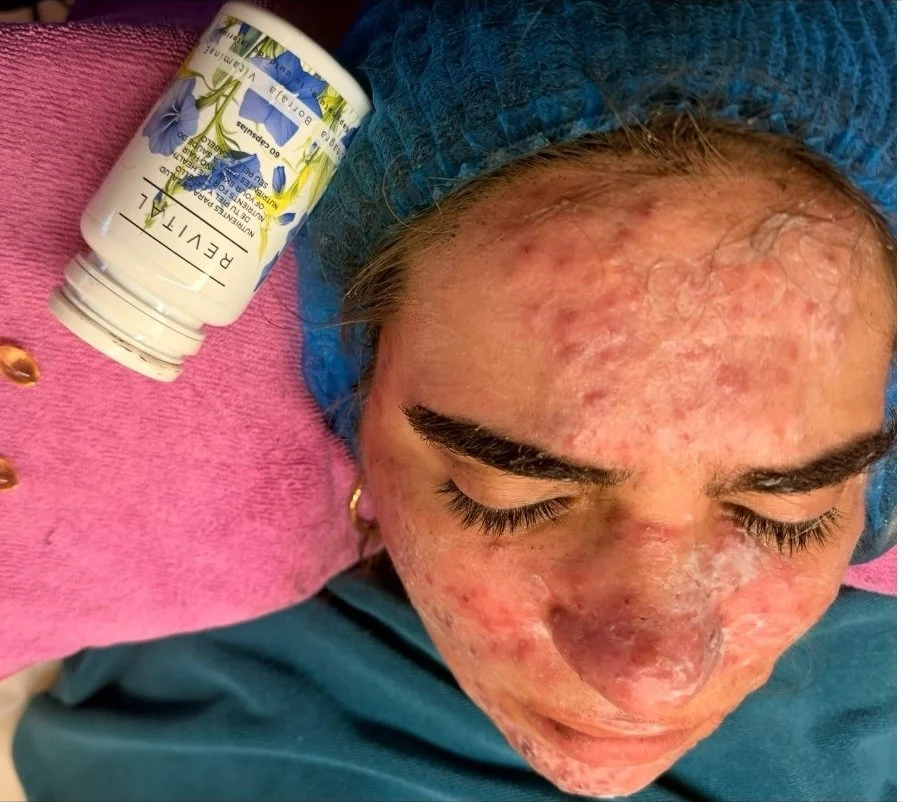
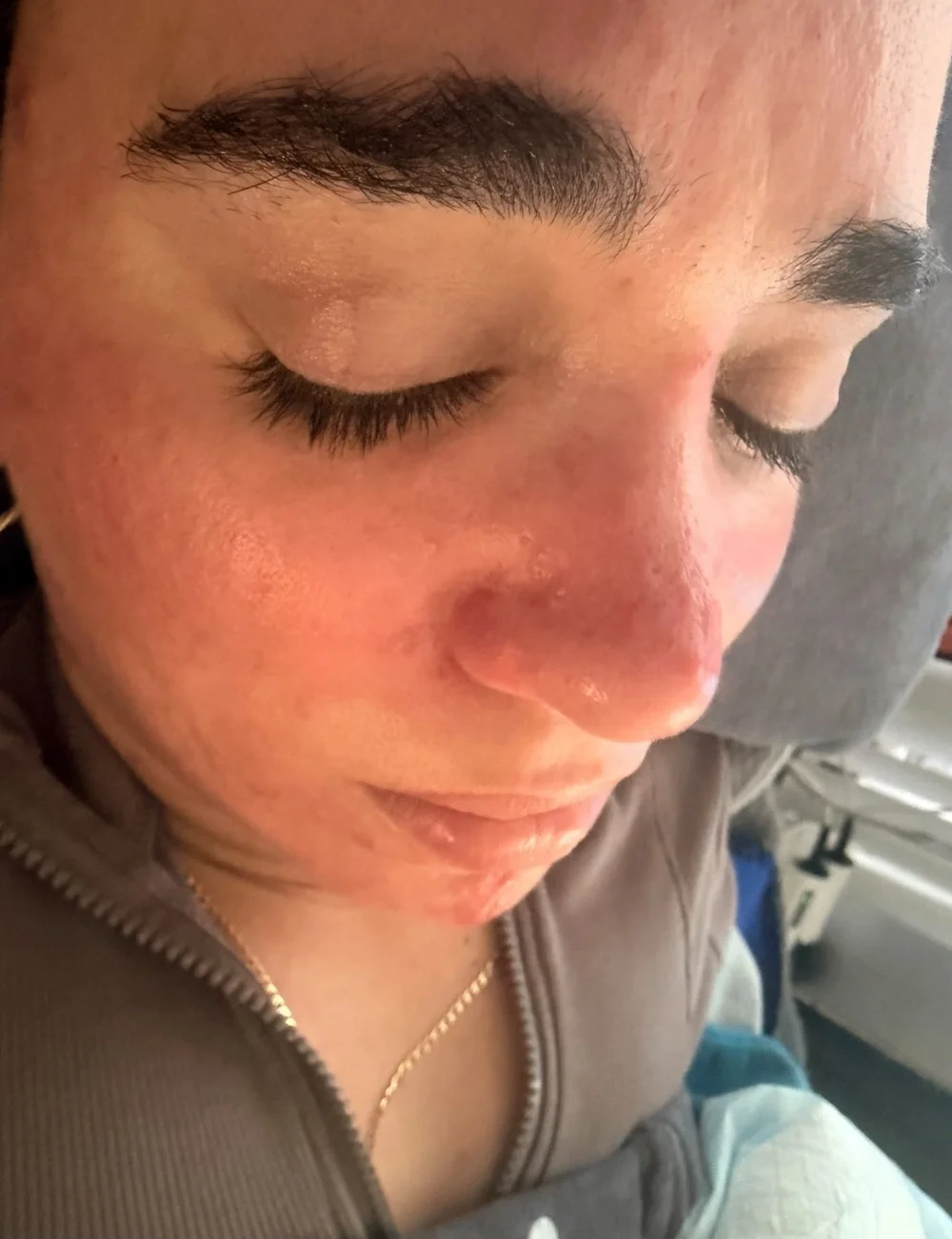
The Kapyderm plant-based approach operates on two parallel tracks: an in-center professional protocol administered by a certified Technician of Dermotricology over 5 structured months, and a daily home protocol that reinforces the in-center work between sessions.
In-Center Protocol — 5-Month Progressive System
The 5-month structure reflects a deliberate strategy: first calm the inflammation, then stabilize the skin, then support repair. Each month builds on the last — devices and actives are added progressively as the skin responds and tolerates intensification.
The complete in-center protocol, applied identically in both months 1 and 2 to establish the foundational response before progressive intensification:
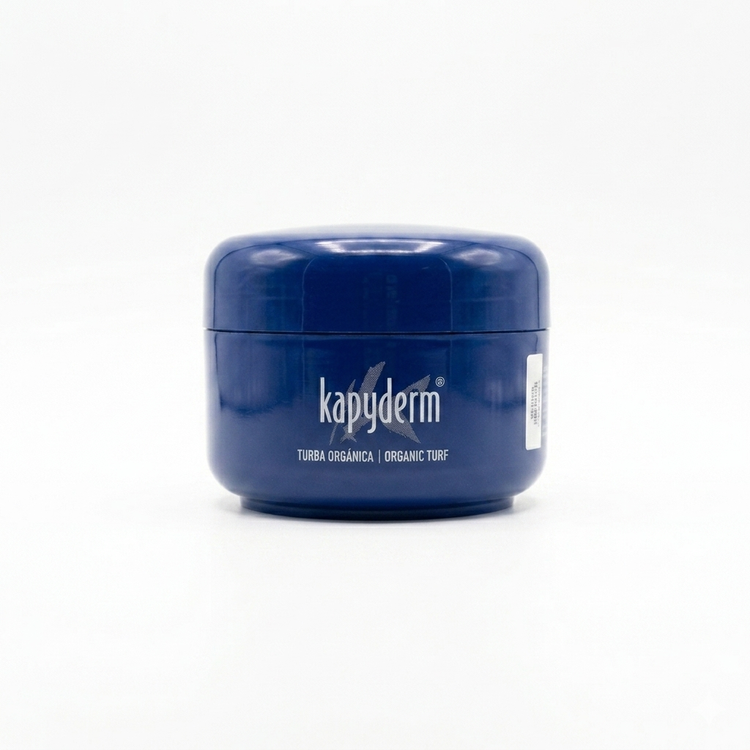
- Organic Turba — deep decongestion; prepares the skin surface for active penetration
- Balsamic Collagen Emulsion — hydration, oxygenation and barrier support applied with or over the Turba
- Ampoule N — concentrated normalizing active applied post-Turba removal
- Fungi-Activ — botanical complex applied directly to affected areas
- Seborregulator Tonic — sebum regulation applied across all affected zones
- Kapydermia Professional Plus — professional microneedling device, where permitted by state scope of practice
- LLLT — Low-Level Light Therapy for soothing support, where permitted by state scope of practice
- Finishing mask with LED + Balsamic Collagen Emulsion — LED phototherapy with a regenerating finishing mask
All Month 1–2 protocol steps are maintained. One addition:
Protocol continues with Cold & Hot Plasma. Sequencing is adjusted:
All previous steps maintained. Two additions shift the focus to skin quality once active breakouts have settled:
Home Protocol — Daily Maintenance & Reinforcement
The home protocol runs in parallel with every in-center session month — it reinforces and maintains results between appointments. Consistency at home is what separates clients who see change from those who plateau.
The protocol is designed as a 5-month progressive cycle. Months 1–2 calm and regulate. Month 3 intensifies. Month 4 consolidates. Month 5 focuses on skin quality. Stopping when breakouts clear — typically around weeks 6–8 — is the most common reason people see the problem return. If acne is severe, scarring, or not improving, see a dermatologist rather than extending a cosmetic protocol.
Frequently Asked Questions
- American Academy of Dermatology. Acne Resource Center. aad.org/public/diseases/acne
- Tan JKL, Bhate K. A global perspective on the epidemiology of acne. British Journal of Dermatology, 2015. Adult prevalence: 50–54% women; 43% in 30s.
- Beig M, Shirazi O, Ebrahimi E, et al. Prevalence of antibiotic-resistant Cutibacterium acnes isolates: a systematic review and meta-analysis. Journal of Global Antimicrobial Resistance. 2024;39:82–91. 39 studies; overall resistance 25.5% (1983–2014) → 35.4% (2015–2023)
- Antibiotic resistance rates in Cutibacterium acnes isolated from patients with acne vulgaris: a systematic review and meta-analysis. PMC12174412 — pooled: erythromycin 29.20%, clindamycin 22.38%, azithromycin 43.33%, clarithromycin 45.64%, doxycycline 2.44%, tetracycline 1.31%, minocycline 0.22%; resistance rising over time.
- MDPI Molecules. Rebalancing the Skin: The Microbiome, Acne Pathogenesis, and the Future of Natural and Synthetic Therapies. December 7, 2025. doi:10.3390/molecules30244684
- Dermatology Research and Practice. The Mechanism and Research Progress of Skin Microbiota in Pathogenesis of Acne. October 2025. doi:10.1155/drp/9910076
- Applied Sciences (MDPI). Rethinking Acne Vulgaris: The Gut–Skin Axis as a Central Mechanism and Therapeutic Target. May 4, 2026. doi:10.3390/app16094527
- World Journal of Gastrointestinal Pathophysiology. Gut-skin axis: Emerging insights for gastroenterologists. September 2025. wjgnet.com
- Cleveland Clinic / American Academy of Dermatology. Acne scars and post-inflammatory hyperpigmentation. Patient-education material, not primary research. aad.org
- Antibiotics (MDPI). Microbiomes in Acne Vulgaris and Their Susceptibility to Antibiotics in Indonesia: A Systematic Review and Meta-Analysis. 2023. Regional (Indonesia) — erythromycin resistance 60.1% (95% CI 42.5–76.5). PMC9854683
Ten sources. Eight are peer-reviewed studies or reviews; references 1 and 9 are patient-education material from recognized clinical institutions and are labelled as such. Resistance figures vary substantially by country — regional studies are identified where cited. Last reviewed August 19, 2026.
5 Months. All Four Drivers.
A Plant-Based Approach.
The Kapyderm approach addresses all four acne drivers — in-center with a structured 5-month progressive plan, and at home with a botanical daily system that reinforces every session. Acne that is severe or scarring should also be seen by a dermatologist.